
When Spending More on Record Players Pays Off
The most expensive record players are not automatically the best choice for every listener. A higher price can buy a more stable motor, quieter bearings, a better cartridge, more precise tonearm adjustment, and a platform that remains useful as the rest of your system improves. However, some costly features add convenience rather than audible performance, while a well-designed affordable model may already do everything a casual listener needs. The key is to spend more on the parts that affect tracking, speed stability, vibration control, and future upgrades rather than paying simply for a heavier plinth or a longer feature list.
Your starting point should be the complete system. A turntable connected to basic powered speakers will not reveal every benefit of an advanced cartridge or precision tonearm. Conversely, if you already own a capable amplifier, good speakers, and a collection of records in excellent condition, a better source may be the most noticeable next improvement. Think of the turntable as one part of a chain: the cartridge reads the groove, the tonearm holds it at the correct angle, the motor controls rotation, and the phono stage prepares the tiny signal for amplification.
What You Actually Get at Different Price Points
Entry-level record players usually prioritize simplicity. They may include an integrated phono preamp, a factory-fitted cartridge, automatic or semi-automatic controls, and a compact chassis. That combination is useful for new listeners because setup is quick and compatibility problems are limited. The trade-offs can include less effective isolation, fewer adjustment options, a basic stylus, and a motor that is more susceptible to speed variation or external vibration.
Moving into the midrange often brings more meaningful improvements than moving from a midrange deck to a luxury model. You may find a more rigid platter, a better-balanced tonearm, improved suspension or feet, a replaceable cartridge, and a more refined motor system. These changes can make music sound more focused and stable, particularly during sustained piano notes, quiet passages, and dense recordings. Models from Pro-Ject illustrate why this category attracts many serious beginners: the emphasis is often on the mechanical essentials rather than on adding unrelated electronics.
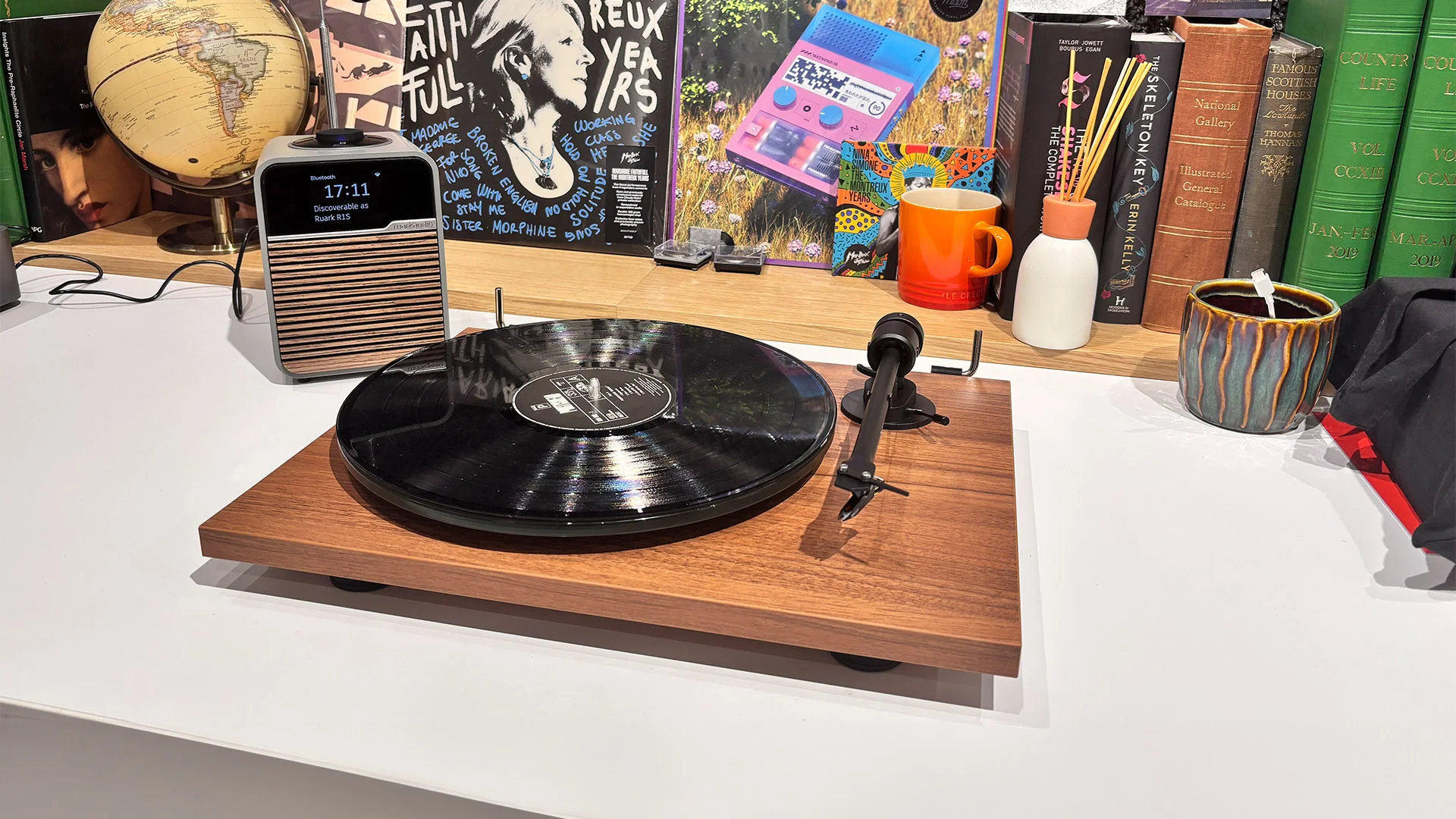
At the higher end, you are generally paying for tighter manufacturing tolerances, more sophisticated speed control, superior tonearm bearings, improved isolation, and a broader range of adjustment. These benefits matter most when the rest of the system is revealing and when you intend to keep the turntable for many years. Expensive construction can also reduce the need to replace the entire deck after upgrading the cartridge, although the returns become increasingly dependent on setup quality and record condition.
When Better Cartridges and Tonearms Matter
The cartridge is one of the most important places to spend carefully because it is the component physically tracing the groove. A better cartridge can provide cleaner high frequencies, more controlled bass, improved separation, and less inner-groove distortion. It will not repair a scratched or badly pressed record, but it can extract more information from a clean, well-maintained pressing. The stylus shape matters as well. More advanced profiles can contact the groove more precisely, but they may require more careful alignment and setup.
A replacement stylus from LP GEAR can be a practical upgrade when the cartridge body is sound but the original stylus is worn or limited. JICO is another name worth considering when researching replacement styli, especially if compatibility, stylus profile, and cantilever specifications are clearly confirmed before purchase. Do not choose by brand alone: check the exact cartridge model, tracking-force range, mounting arrangement, and whether the replacement is intended for your particular body.
The tonearm matters because it controls the cartridge's position and tracking force. A rigid arm with smooth bearings can help the stylus follow the groove consistently, while adjustable vertical tracking force and anti-skate make it easier to optimize different cartridges. Spending more on a tonearm is worthwhile if you expect to experiment with cartridges or own records that expose mistracking. It is less valuable if you will use the supplied cartridge indefinitely and prefer push-button operation.
Comparing Built-In and Separate Phono Preamps
A phono preamp boosts and equalizes the very small signal produced by a cartridge. Turntables with a built-in preamp connect easily to powered speakers, stereo receivers, and many modern audio systems. This is a genuine convenience, particularly for a first setup or a compact listening space. Some models also include a switch so the internal preamp can be bypassed later.
5 Record Players ROBBING You BLIND (And 3 Worth Every Penny)
A separate phono preamp gives you more flexibility. You can select the correct moving-magnet or moving-coil input, adjust loading on compatible equipment, and upgrade the phono stage without replacing the turntable. Better external units may produce lower noise and greater dynamic contrast, but the improvement depends on the cartridge and amplifier they are paired with. A separate preamp is not automatically superior if it is poorly matched or connected at the wrong gain.
When comparing a built-in and separate design, consider cable length, grounding, available inputs, and whether your speakers already accept a phono-level signal. Avoid connecting a turntable's line output into a phono input, since the signal may be over-amplified and distorted. Likewise, a turntable set to phono output needs an amplifier or preamp with the appropriate phono input.
Features Worth Paying More For
Stable speed is one of the most valuable upgrades. Excessive wow and flutter can make sustained notes sound unsettled, especially on piano, strings, and electronic music. A well-controlled motor and a properly balanced platter help, but placement matters too. A sturdy shelf away from loudspeakers can improve performance more than an expensive accessory placed on an unstable surface.
Adjustability is another feature with long-term value. Replaceable cartridges, adjustable tracking force, selectable speeds, a removable headshell, and a bypassable phono preamp all make a turntable easier to keep and improve. Electronic speed switching is useful if your collection includes both 33⅓ and 45 rpm records. Automatic return and stop functions protect the stylus from running endlessly in a locked groove, although fully manual models may offer simpler mechanics and fewer parts to maintain.
Build quality should be judged by function, not weight alone. A heavy plinth can resist vibration, but thoughtful isolation, accurate bearings, and a quiet motor are more relevant than mass by itself. A hinged dust cover is convenient for everyday use, while a removable cover can reduce resonance during playback. Bluetooth can be useful for occasional listening, but it is generally a convenience feature rather than a reason to pay for a more sophisticated analog front end.
Recommended product
Use these catalog picks as a shortlist for when spending more on record players pays off. Compare measurements, materials, and return terms side by side instead of buying from a photo alone.
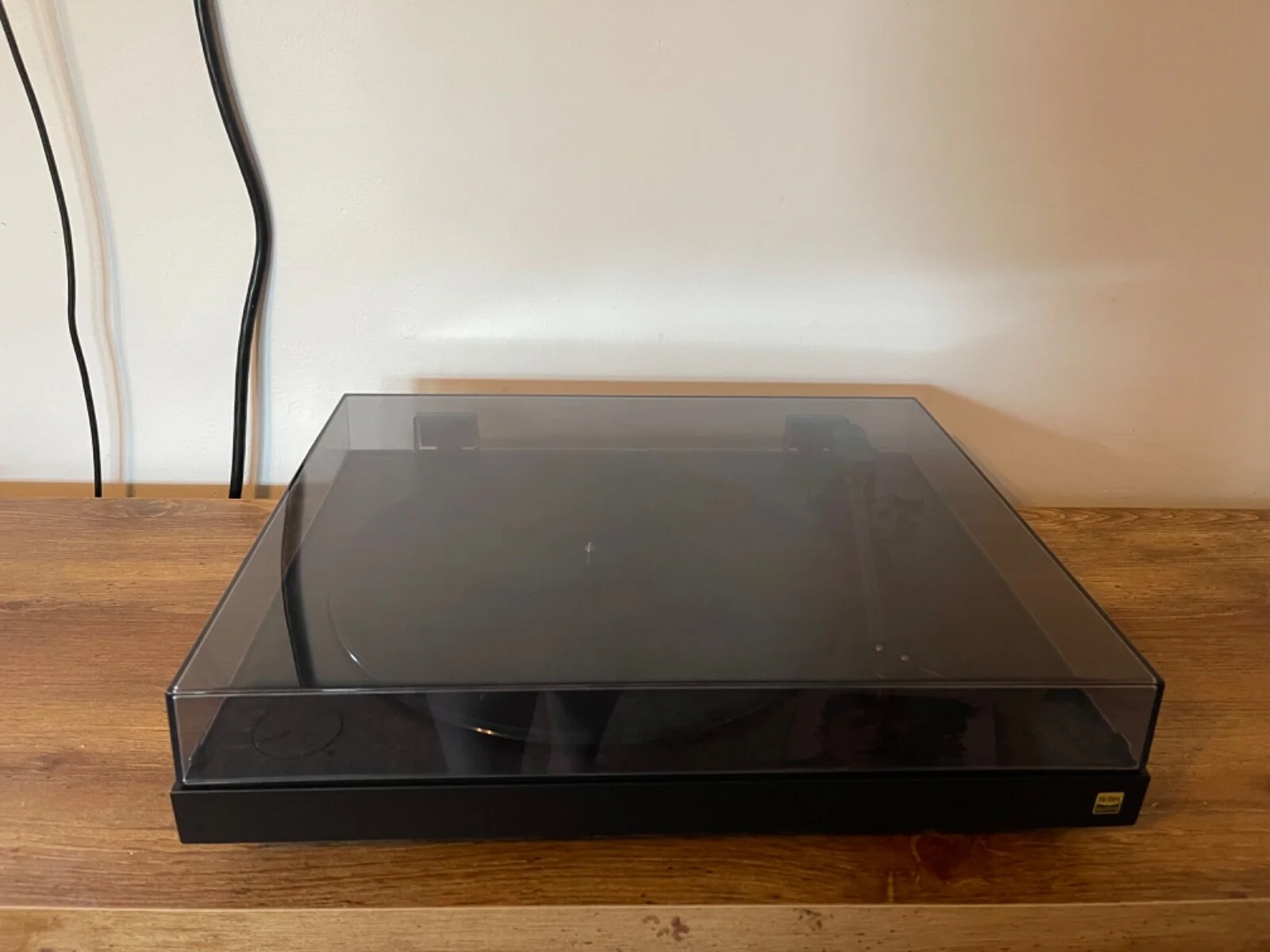

Be cautious when shopping across unrelated categories. A site section labeled DVD Players & Recorders may appear beside audio equipment, but those products do not replace a turntable's cartridge, phono stage, or record-handling requirements. Likewise, a package advertised as vinyl with speakers should be evaluated as a complete system: check speaker placement, amplifier power, input options, and whether the turntable can be upgraded independently.
How to Compare Catalog Picks
When comparing a catalog pick, use a simple pros-and-cons approach rather than judging by appearance. Pros may include a replaceable cartridge, adjustable tracking force, a bypassable preamp, reliable speed switching, and compatibility with your existing amplifier. Cons may include a fixed tonearm, limited upgrade options, a non-replaceable stylus, or a built-in speaker system that restricts placement. Also compare the cost of the necessary accessories, such as a phono preamp, speakers, alignment tool, replacement stylus, and sturdy shelf. The lower advertised price is not always the lower system cost.
When an Affordable Record Player Is Enough
An affordable record player is enough when you want straightforward access to a modest collection, have limited space, or are still deciding how seriously you will pursue vinyl. Choose a model with a reputable replaceable stylus, stable operation, sensible tracking force, and an output that matches your speakers or amplifier. A basic integrated preamp can remove unnecessary complexity, and automatic operation may be preferable if several people will use the system.
There is no need to buy a high-end deck to enjoy Vintage pressings, recent reissues, or occasional listening. Keep the turntable level, clean records with an appropriate method, replace a worn stylus, and avoid placing speakers on the same unstable surface. These habits often produce a larger practical improvement than jumping to a much more expensive model without correcting setup problems.
Spend more when you have a revealing system, a valuable collection, or a clear upgrade plan. Otherwise, direct your budget toward a reliable affordable deck, good speaker placement, and proper maintenance. The best record players are the ones that track records safely, fit the rest of your equipment, and encourage you to listen often rather than leaving you paying for features you will never use.
FAQ: When Spending More on Record Players Pays Off
How much should I spend on a record player for better sound?+
Spending more can improve tracking, reduce unwanted vibration, and provide a better cartridge and tonearm. For many listeners, a mid-range record player offers the best balance of sound quality, reliability, and useful features without paying for upgrades they may not notice.
Is a better cartridge worth paying more for on a record player?+
A higher-quality cartridge can improve detail, stereo separation, and record tracking, especially with a good amplifier and speakers. It is most worthwhile if you listen often, own well-maintained records, or plan to upgrade other parts of your system later.
Should I buy a record player with a built-in phono preamp?+
A built-in phono preamp is convenient because it lets you connect the record player directly to powered speakers or an amplifier with a standard line input. A separate phono preamp may offer more flexibility and upgrade potential, but it adds cost, cables, and another component.
Which record player features are worth paying more for?+
Useful upgrades include a stable platter, adjustable tracking force, a replaceable cartridge, a well-made tonearm, and effective vibration control. Automatic operation, USB output, and wireless connectivity are worth paying for mainly when you will regularly use those conveniences.
When is an affordable record player good enough?+
An affordable record player can be a good choice for casual listening, starting a small collection, or using with basic powered speakers. Look for a replaceable stylus, reliable speed control, and a proper tonearm rather than choosing solely by appearance or the number of built-in features.