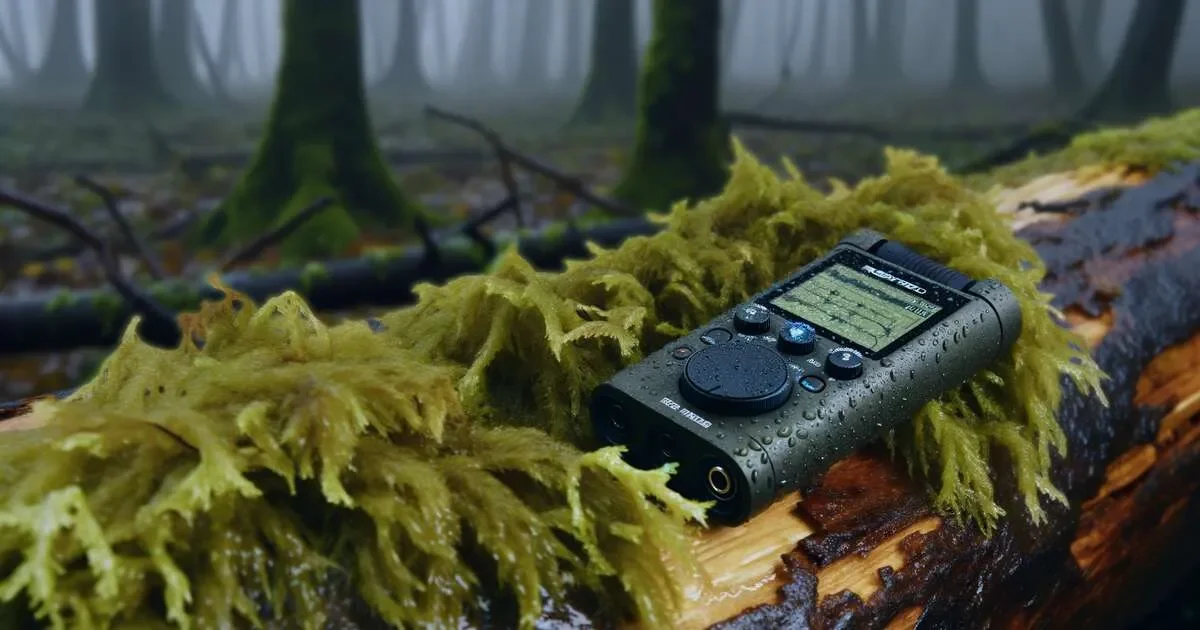
Outdoor listening can make a record collection feel more social, but ordinary record players are designed for controlled indoor conditions. A patio, garden, balcony, or campsite exposes the turntable, records, tonearm, and electronics to risks that are easy to underestimate. Moisture may come from dew as well as rain, while dust, direct sunlight, heat, wind, and unstable furniture can affect playback and shorten component life. The safest approach is to treat outdoor use as temporary playback in a protected location, not as permanent installation outside.
What Makes a Record Player Suitable for Outdoor Use
The best record players for occasional outdoor sessions are compact, easy to carry, simple to operate, and protected by a sturdy lid or case. Look for secure hinges, a well-fitting dust cover, controls that are unlikely to be changed accidentally, and a stable platter that will not shift during transport. A built-in speaker can make setup easier, although separate speakers may provide better sound and keep vibration away from the turntable. If the unit uses detachable cables, check that connections can be packed without bending or straining them.
Do not assume that a suitcase-style design is weatherproof. Most portable record players are splash-sensitive rather than weather-resistant, and their fabric, plastic, or wood-like enclosures can absorb moisture. A model that is convenient for a dry picnic is not necessarily suitable for an uncovered deck during an afternoon shower. Fite ON, Panasonic, and Toshiba are examples of names shoppers may encounter while comparing compact audio equipment, but brand recognition alone does not establish outdoor durability. Examine the specific model’s enclosure, power requirements, warranty language, and care instructions.
Turntable drive design also deserves attention. A Direct Drive mechanism can reach speed quickly and is often valued for consistent rotation, while belt-drive designs may prioritize isolation from motor vibration. Neither design makes a record player weatherproof. For outdoor use, physical stability and protection from moisture generally matter more than choosing one drive system over another. Search results may also mix modern turntables with unrelated legacy electronics, including VCRs, so confirm that a listing actually includes a phono cartridge, platter, tonearm, and the connections you need.
Protecting Records and Components From Moisture
Moisture is one of the most serious outdoor hazards because it can damage both the record and the player. Keep vinyl in its inner sleeve and jacket until the listening area is ready, and never place jackets directly on damp ground, stone, or a cold table that has collected condensation. Use a clean, dry surface or a lidded storage container for records waiting to be played. If the weather is humid, bring out only a small selection rather than exposing the entire collection.
Set the record player beneath a solid roof or canopy that blocks falling moisture and does not allow water to run toward the equipment. A thin fabric umbrella may provide shade but still allow mist, wind-driven rain, or condensation to reach the controls. Keep drinks away from the turntable and route power cables so they cannot form a path for spilled liquid. Never operate a mains-powered unit in wet conditions, and follow the manufacturer’s instructions for outdoor electrical connections, extension leads, and ground-fault protection.

If a player or record becomes damp, stop playback and disconnect power only when it is safe to do so. Allow the equipment to dry naturally in a clean, ventilated indoor space. Avoid hair dryers, heaters, and strong direct sunlight, which can deform plastic parts or create uneven heating. A record should be completely dry and free of grit before it returns to its sleeve; wiping wet dirt across the grooves can spread the problem rather than remove it.
Portable and Battery-Powered Record Player Features
Battery power can simplify outdoor listening by eliminating some cable-management problems, but it does not eliminate the need for a dry setup. Check whether the player uses replaceable batteries or a rechargeable pack, how long a full charge is expected to last, and whether playback volume affects runtime. Carry spare batteries or a suitable power bank only when the manufacturer allows that charging method. Keep batteries out of extreme heat and remove replaceable batteries for long-term storage if the instructions recommend it.
A portable player should be easy to close before it is moved. Look for a latch, handle, protected tonearm rest, and enough room to store accessories without pressing against the stylus. Some compact systems include Bluetooth or auxiliary input, which can be useful when you want the same speaker to handle digital audio, but these features do not improve the safety of vinyl playback. Check also for headphone output, volume control placement, and whether the built-in speaker is loud enough for the intended setting without excessive distortion.
How to Compare Catalog Picks
Recommended products
Use these catalog picks as a shortlist for outdoor record players: weather, wear and durability. Compare measurements, materials, and return terms side by side instead of buying from a photo alone.

When comparing the four catalog picks later on the page, weigh practical pros and cons rather than focusing only on appearance or price. A lighter model may be easier to carry but less stable on a breezy patio; a player with a built-in speaker may require less equipment but offer less separation and volume control; and a rechargeable design may be convenient while introducing battery replacement concerns over time. Compare protection, stability, controls, power options, repairability, included accessories, and the return policy alongside sound-related specifications.
Managing Dust, Sun, Heat, and Uneven Surfaces
Dust and grit can reach the stylus and record grooves quickly outdoors. Keep the lid closed whenever a record is not being changed, and use a carbon-fiber or manufacturer-approved record brush before and after playback. Do not brush a record over grass, gravel, or a dusty tabletop, where loose particles can fall back onto the playing surface. Handle records by the edges and label, and keep the stylus guard fitted whenever the tonearm is not in use.
Sunlight creates two problems: glare that makes controls harder to read and heat that can soften or warp records and stress electronic components. Place the player in shade with good airflow, not inside a closed case or vehicle. Avoid dark surfaces that become hot in the sun, and do not leave records on a table after playback. If the enclosure feels unusually hot, pause the session and move the equipment indoors rather than relying on a dust cover as insulation.
A turntable needs a level, firm surface. Uneven ground can alter tracking, while vibration from footsteps, speakers, or a lightweight folding table can produce skips and unwanted noise. A rigid table placed away from traffic is preferable to a soft outdoor chair or a surface that rocks when touched. Check the player’s level before starting, keep speakers separated from the turntable where possible, and reduce volume if bass vibration is feeding back into the cartridge.
Safe Storage and Maintenance After Outdoor Playback
At the end of the session, return records to their sleeves before packing the player. Secure the tonearm, fit the stylus guard, close the dust cover, and disconnect accessories without pulling on their cables. Inspect the underside of the player and its case for moisture, sand, leaves, or insects. A soft, dry cloth is usually appropriate for exterior dust, while cleaning fluids should be used only as directed for that specific surface.
Let equipment adjust to indoor temperature before sealing it in a storage case. Moving a cold player into warm, humid air can encourage condensation, so leave it uncovered in a dry room until it has acclimatized. Store records vertically in a cool place away from radiators, windows, and heavy objects that can press on the jackets. Do not stack a turntable on top of vinyl, and avoid storing either one in a garage, shed, or car where temperature and humidity fluctuate sharply.
Inspect the stylus, belt if fitted, hinges, cables, and battery compartment periodically, especially after repeated outdoor use. Replace a worn stylus according to the manufacturer’s guidance rather than continuing to play valuable records with a damaged tip. With shade, stable support, careful handling, and prompt indoor storage, record players can work well for occasional outdoor listening while your equipment and vinyl remain protected from the conditions that cause the most wear.
FAQ: Outdoor Record Players: Weather, Wear and Durability
Can you use a record player outside?+
You can use a record player outdoors in dry, sheltered conditions, but most home models are not weatherproof. Keep the unit away from rain, splashes, condensation, direct sunlight, and strong wind, and bring it indoors as soon as playback ends.
What should I look for in an outdoor record player?+
Choose a portable record player with a sturdy case, secure lid, stable feet, simple controls, and reliable battery or low-voltage power options. A built-in speaker can simplify outdoor listening, while a replaceable stylus and standard record speeds make ongoing maintenance easier.
How do I protect vinyl records and a record player from moisture outdoors?+
Use the record player under a covered, dry area and keep records in sleeves or a protective case until needed. Avoid placing drinks nearby, and let the equipment acclimate indoors if it has been exposed to cool or humid conditions before closing the lid or storing it.
Can heat and sunlight damage an outdoor record player or vinyl records?+
Direct sun and high temperatures can warp records, fade finishes, and heat the turntable’s internal components. Play records in shade, avoid leaving the player or albums in a hot car, and store both in a cool, dry place after use.
How do you use a record player safely on uneven outdoor surfaces?+
Set the player on a firm, level table or a portable platform rather than grass, loose soil, or an unstable surface. Level placement helps the platter and tonearm track consistently, while keeping the lid closed when possible limits dust and wind exposure.