
Identify Your Listening Habits and Priorities
Choosing among record players becomes much easier when you start with your listening routine rather than a feature list. Consider how often you will play records, whether you usually listen from beginning to end, how much space you have, and whether you want the turntable to become part of a larger stereo system. Someone who plays one album on a quiet evening may value upgrade potential and low mechanical noise, while someone who plays records during dinner may prefer simple controls and automatic operation.
Your existing collection also matters. Older records may benefit from a cartridge and stylus that track gently and consistently, while a new listener with a small collection may reasonably prioritize an easy setup. Think about where the turntable will sit as well. A stable shelf away from speakers is more important than a decorative cabinet if you want dependable playback. Vibrations from nearby speakers, foot traffic, or a lightweight table can cause unwanted feedback and skipping regardless of the turntable’s price.
Decide What You Want to Improve
Make a short list of the problem your new player needs to solve. If you are replacing an all-in-one unit, better speed stability and a proper external amplifier may be the biggest improvements. If you are upgrading an entry-level deck, look for an adjustable counterweight, a replaceable stylus, and a cartridge mount that gives you room to experiment. If convenience is the priority, built-in phono amplification, Bluetooth output, or a dust cover may matter more than advanced manual adjustments.
Record Players for Casual, Audiophile, and DJ Listening

Casual listeners generally benefit from a balanced, uncomplicated setup. An automatic turntable can lift the tonearm, lower it onto the record, and return it when playback ends. This reduces the chance of leaving the stylus in a locked groove and makes short listening sessions less demanding. A built-in phono preamp is also useful if you plan to connect directly to powered speakers or a compact stereo system without a dedicated phono input.
Audiophile-oriented listeners usually place greater emphasis on mechanical design and future upgrades. A manual turntable with a rigid plinth, a well-isolated motor, adjustable tracking force, and a replaceable cartridge can provide more control over the system. These features do not guarantee better sound by themselves, but they make it easier to match the cartridge to the tonearm and to maintain accurate tracking. A separate phono preamp may also be worthwhile when the rest of the system can reveal differences in noise, gain, and tonal balance.
DJ listeners need a different set of priorities. Responsive starting and stopping, a strong motor, accessible pitch control, and a tonearm suited to repeated handling are more important than a minimalist living-room appearance. Direct Drive designs are often considered for DJ use because the platter is driven directly by the motor rather than through a belt. That can support quick response, though the overall design, torque, controls, and cartridge setup still need to suit the intended technique.
For the four catalog picks on this page, compare them by matching each model’s strengths to your use rather than treating the highest-priced option as automatically best. Note the pros and cons of automatic versus manual control, built-in amplification versus upgrade flexibility, fixed versus replaceable cartridges, and compact convenience versus stronger system compatibility. Check the included accessories, warranty terms, output connections, and replacement-stylus availability before deciding.
Choosing Automatic, Manual, or Portable Operation
Automatic operation is a practical choice for shared rooms, busy households, and anyone who wants fewer steps between selecting an album and hearing music. Fully automatic models handle more of the tonearm movement, while semi-automatic designs may return the tonearm at the end but require you to place it manually. The trade-off is that added mechanisms can make the design more complex and may limit some adjustment options.
DON'T WASTE MONEY ON YOUR FIRST TURNTABLE! - A new buyers guide to record players
Manual operation suits listeners who enjoy handling records carefully and want more control over setup. You place the tonearm, lower it, and lift it at the end, which can make record playback feel more deliberate. Manual decks are often available with broader cartridge and tracking adjustments, but they require attention and a stable hand. They are less convenient if you regularly fall asleep while listening or need a player that multiple family members can operate without instruction.
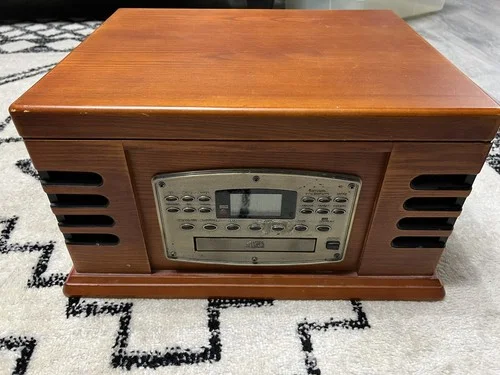
Portable record players are attractive when storage, occasional use, or easy relocation matters most. They can work well for a small collection or a secondary listening space, but examine the speaker quality, tracking design, connection options, and build stability carefully. A suitcase-style cabinet may be convenient without being the best foundation for a permanent hi-fi system. Treat portability as a genuine advantage only if you will use it; otherwise, a stable full-size deck may offer better long-term value.
Understand Familiar Model and Brand References
Some listings use unusual catalog labels, so read the specifications rather than relying on a name alone. If you encounter a listing identified as model cr66, confirm its speed settings, outputs, cartridge or stylus details, and power requirements before comparing it with another deck. Brand names such as Fite ON, Panasonic, and Toshiba may appear in different product categories and generations, so the exact model specification is more useful than brand familiarity by itself. References to VCRs in a product description may indicate a broader vintage-electronics context rather than a feature that affects record playback.
Matching Speakers, Headphones, and Room Size
The turntable is only one part of the listening chain. Powered speakers are convenient because they include amplification, making them a sensible match for a player with a line-level output or built-in phono preamp. Passive speakers require a stereo amplifier or receiver, and that amplifier must have either a phono input or a separate phono preamp between the turntable and the amplifier.
Recommended products
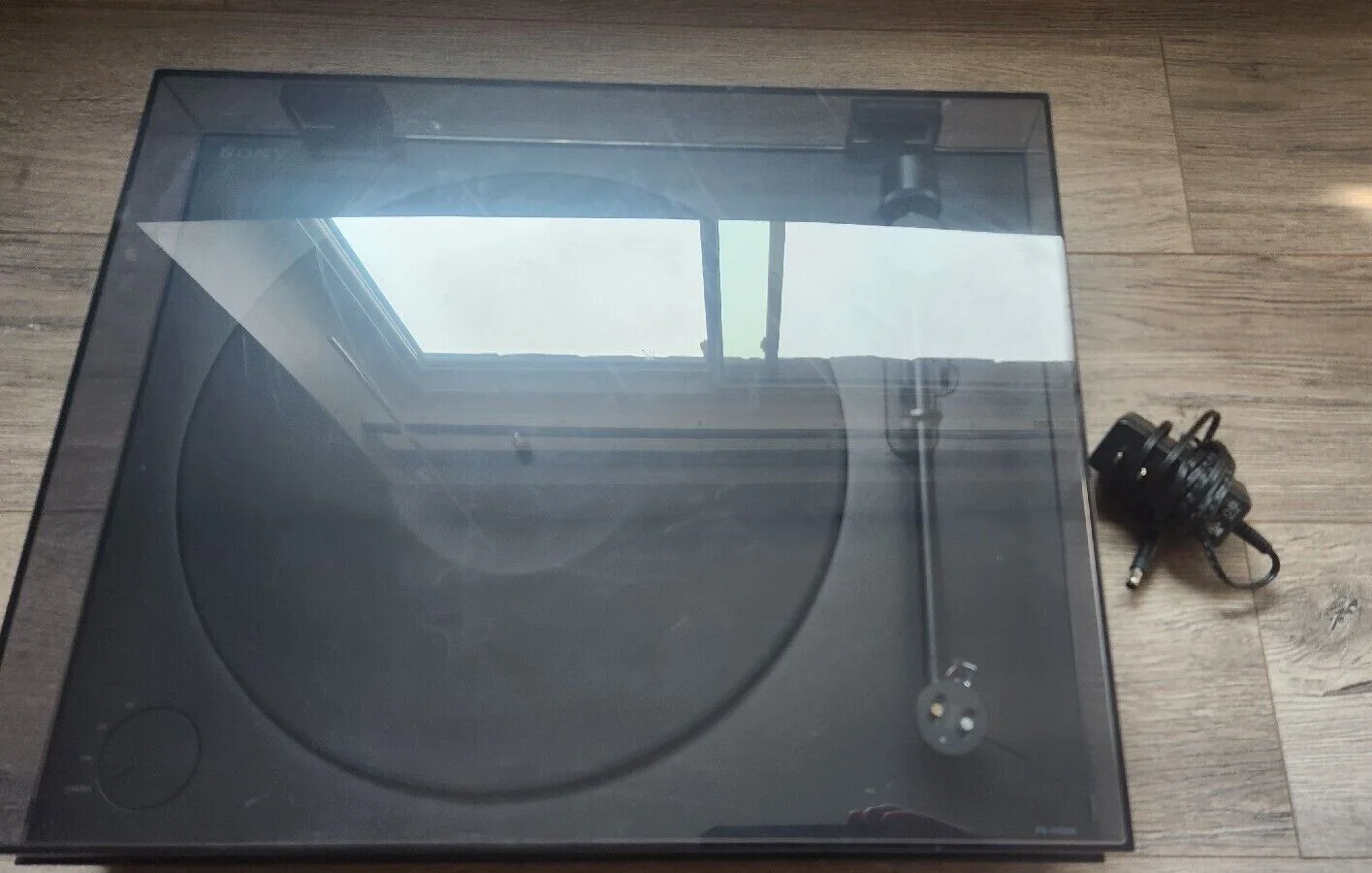
Use these catalog picks as a shortlist for matching record players to your listening style. Compare measurements, materials, and return terms side by side instead of buying from a photo alone.

Headphone listeners should check whether the amplifier offers a headphone output or plan to add a dedicated headphone amplifier. Bluetooth can be useful for sending audio to compatible wireless speakers or headphones, but it introduces a wireless conversion step and may not suit listeners who are building a fully wired system. Confirm whether the turntable’s Bluetooth function transmits audio, receives it, or supports both, because these capabilities are not interchangeable.
Room size should influence speaker choice more than turntable choice. In a small bedroom or office, nearfield powered speakers placed on stable stands or isolation pads may provide clearer results than oversized floor-standing speakers. In a larger room, speakers with greater output and suitable bass extension can fill the space more comfortably, but placement still matters. Keep speakers separated from the turntable and avoid placing the turntable on the same resonant surface as a subwoofer.
Recommended Features for Different Listening Styles
For convenient everyday listening, prioritize automatic operation, a built-in phono preamp, a replaceable stylus, a dust cover, and straightforward speed selection. These features reduce setup friction and make maintenance easier. If you listen to records alongside streaming audio, line-level outputs or Bluetooth can help the turntable fit into a mixed-format system.
For focused listening and future upgrades, look for a stable platter, adjustable tracking force, an anti-skate control, a standard removable cartridge mount, and a switchable phono preamp. A standard mount can simplify cartridge replacement, while adjustable tracking force helps you set the tonearm according to the cartridge manufacturer’s requirements. Do not add upgrades simply because they appear on a checklist; each feature is valuable only when you are prepared to set it up correctly.
For collecting and preserving records, prioritize a reliable stylus, accurate speed, gentle tracking, and readily available replacement parts. Clean records with suitable tools, keep sleeves free of dust, and replace a worn stylus before it causes playback problems. For DJ practice, prioritize Direct Drive performance, pitch adjustment, durable controls, and a cartridge that is appropriate for handling. For occasional travel or secondary-room use, compact dimensions and simple controls may outweigh advanced adjustment options.
The right record player should make your preferred way of listening easier, not force you into a routine you will not enjoy. Compare the complete signal path, from stylus to speakers or headphones, and account for setup, maintenance, room placement, and future replacement parts. When those practical details align with your habits, even a modest system can feel more satisfying than an expensive player that does not suit the way you actually use your records.