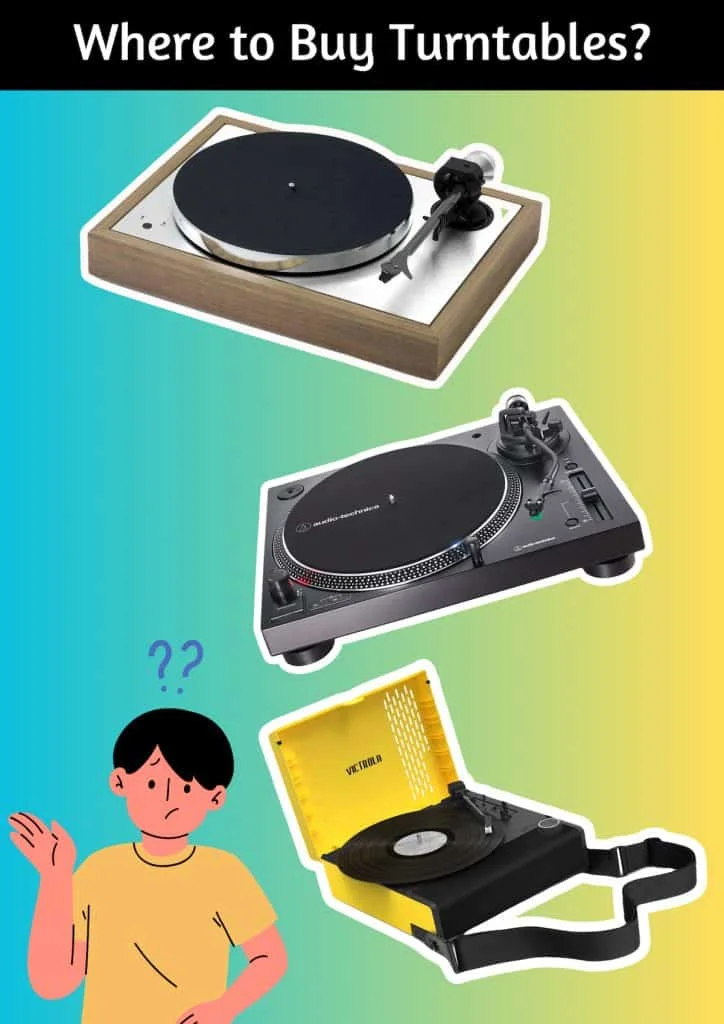
Choosing between buying record players online and shopping in a physical store depends on more than the advertised price. A turntable is a mechanical product with a tonearm, cartridge, platter, motor, and often built-in electronics, so condition, compatibility, and safe handling matter. Online shopping usually provides more models and easier comparison, while a store can make it simpler to judge construction, ask questions, and get help with setup. The best option depends on whether you already know what you need, how quickly you want it, and how comfortable you are handling installation and returns.
Benefits of Buying Record Players Online
Online retailers typically offer the widest selection, from simple all-in-one units to separate turntables designed for a more Professional listening setup. You can compare cartridge types, manual or automatic operation, built-in phono preamps, Bluetooth connectivity, USB output, and speaker compatibility without visiting several shops. Product pages also make it easier to check dimensions and technical specifications, which is useful if the player must fit into an existing cabinet or audio rack.
Price comparison is another major advantage. Online listings let you check the same model across multiple sellers, identify seasonal discounts, and see whether accessories such as a dust cover, replacement stylus, or adapter are included. However, the lowest headline price is not always the best value. Add delivery charges, taxes, required speakers, and possible setup costs before comparing offers. A low-cost player that lacks a phono preamp may require an additional component, whereas another model may include one.
Online shopping can also be a good route to specialist or less common equipment. Established brands such as Audio-Technica may have several models aimed at different levels of Vinyl playback, and online inventories can make those distinctions easier to research. At the same time, read the seller information carefully. A familiar product name does not guarantee that every marketplace listing comes from an authorized seller, and warranty coverage can vary between the manufacturer, retailer, and third-party marketplace.
Benefits of Shopping In Store
A physical store gives you an opportunity to inspect the record player before paying. Look at whether the plinth feels stable, whether hinges and controls operate smoothly, and whether the tonearm appears straight and secure. You can also check the finish in person, which is helpful when appearance is part of the appeal. A Nostalgic design may suit a living room, but photographs do not always show the difference between a sturdy cabinet and a lightweight exterior made primarily for appearance.
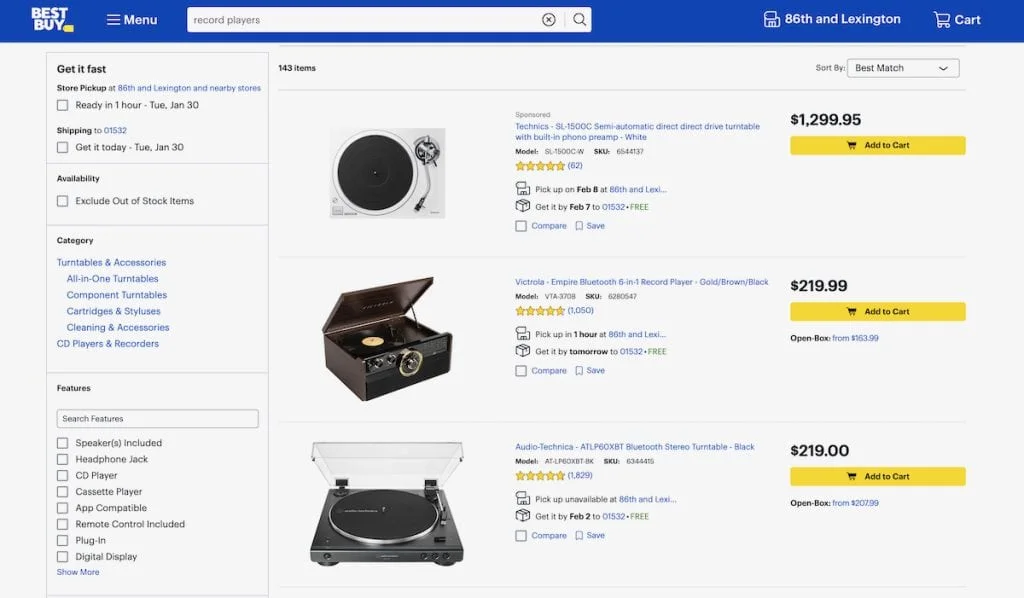
Store staff may also identify compatibility issues before they become expensive mistakes. They can explain whether a turntable needs an external phono preamp, whether its output suits your amplifier, and whether powered speakers would be a practical match. This support is particularly valuable for a first-time buyer who is unsure how to balance sound quality, convenience, and budget. Some stores can demonstrate a working setup, although an in-store demonstration should be treated as helpful context rather than proof that the same result will occur in every room.
Buying locally may reduce delivery risks as well. You can take the unit home yourself, avoid leaving a package outside, and return to the shop if a control or connection is unclear. The trade-off is that local stock may be limited, prices may not match online promotions, and smaller stores may carry only a few brands. A Generic model can be tempting when its price is substantially lower, but ask about replacement styli, parts availability, construction, and after-sales support before treating it as an equivalent alternative.
Comparing Prices, Shipping, and Setup Support
Make a like-for-like comparison using the complete cost of ownership. Start with the player, then check whether it includes a cartridge, stylus, dust cover, power supply, and the cables needed for your system. Confirm whether the unit has a built-in phono preamp or requires one elsewhere in the signal chain. If you also need speakers, a shelf, cleaning supplies, or a stylus scale, include those items in the budget rather than assuming they are optional extras.
Shipping deserves particular attention because record players contain delicate moving parts. Prefer sellers that use protective packaging and provide clear procedures for reporting transit damage. Inspect the outer carton as soon as it arrives, photograph significant damage before opening it, and retain the packaging until the player has been tested. If a shipment arrives with a loose counterweight, cracked dust cover, bent tonearm, or visible impact damage, contact the seller promptly instead of attempting a repair.
Setup support can be worth paying for when the turntable requires balancing, tracking-force adjustment, anti-skate adjustment, or cartridge alignment. A basic automatic model may be simpler to start with, while a more configurable manual unit can offer greater control but requires more careful setup. Ask an online seller whether remote guidance is available and ask a local store whether setup is included, charged separately, or limited to the initial purchase. Clear support terms are more useful than vague promises of assistance.
How to Compare the Four Catalog Picks
Recommended products
Use these catalog picks as a shortlist for buying record players online vs in store: pros and cons. Compare measurements, materials, and return terms side by side instead of buying from a photo alone.


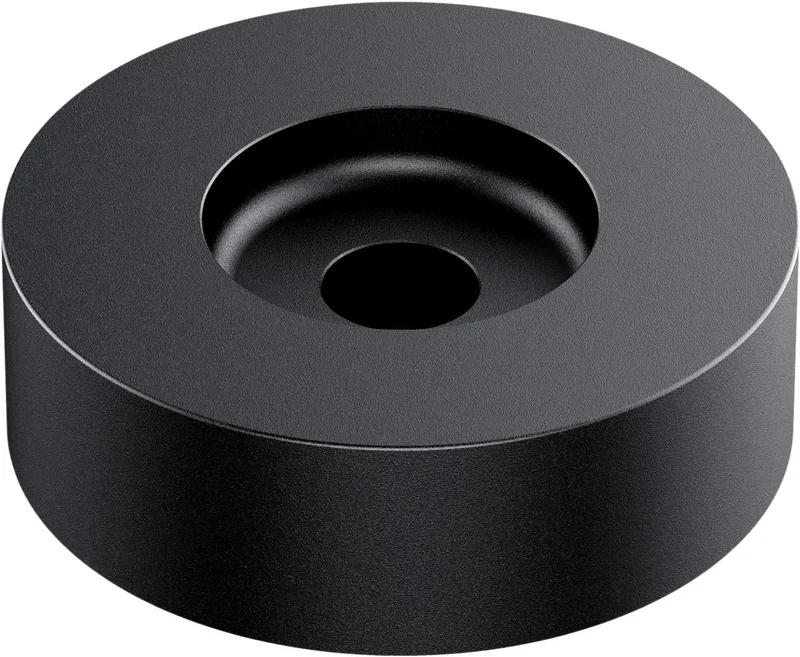
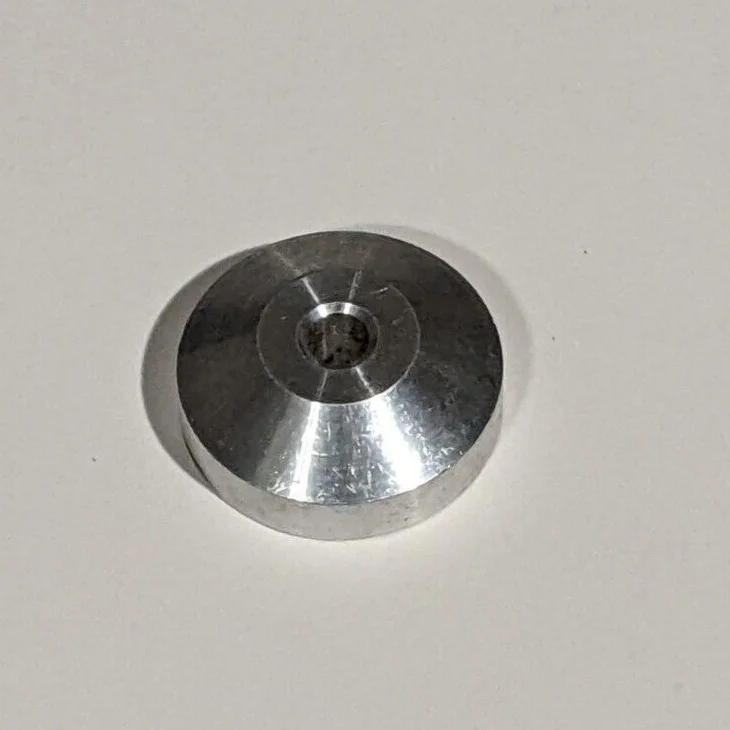
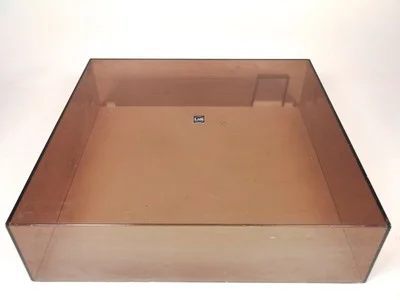
When comparing the four catalog picks on this page, weigh each one against the same criteria rather than choosing by appearance or discount alone. One model may have the pros of simple automatic operation and built-in amplification, but the con of fewer upgrade options. Another may offer stronger adjustment controls and a more upgradeable cartridge, with the con of a steeper setup process. A compact option may suit limited space, while its con could be reduced connectivity. Check the stated features, included accessories, seller support, and return terms for each pick so the comparison reflects your equipment and listening habits rather than an assumed ranking.
How to Inspect a Record Player Before Buying
Whether you inspect it in person or check it immediately after delivery, begin with the physical structure. The platter should sit level, rotate without obvious wobble, and respond consistently to the selected speed. The tonearm should move smoothly without feeling loose, and the cartridge and stylus should be protected during transport. Examine the hinges, dust cover, feet, switches, and cable connections. Cosmetic marks may be acceptable on an open-box unit, but the seller should describe them accurately and explain whether they affect operation.
Check the specification sheet for the features that matter to your records and equipment. Confirm supported speeds, output type, cartridge compatibility, motor arrangement, and whether the player includes a phono preamp. If you plan to digitize albums, verify that USB functionality is actually provided rather than assuming it from a product photo. For wireless listening, check the connection method and whether the feature sends audio to compatible speakers or headphones. Avoid relying solely on phrases such as “premium sound” or “Professional quality,” which are less useful than measurable specifications and clear compatibility information.
If the player is used or open-box, ask for the stylus condition, service history, original accessories, and any known faults. A worn stylus can affect playback and become an immediate replacement expense. Also ask whether the model has been stored with the tonearm secured and whether the original packaging is available. These details help distinguish a reasonable second-hand purchase from a product that may need more repair than its price suggests.
Returns, Damage Claims, and Warranty Differences
Before ordering, read the return policy rather than assuming it follows the same rules as other electronics. Check the return window, restocking fee, return-shipping responsibility, and whether opened or used equipment qualifies. Some sellers require all original packaging and accessories, which can be difficult if you discard the box immediately. For an in-store purchase, find out whether returns are allowed for preference changes or only for defects; a shop may offer exchange or repair instead of a refund.
Damage claims often have stricter deadlines than ordinary returns. Document the package, retain labels and packing materials, and test the player soon after arrival. Report missing parts or transit damage through the seller’s stated channel and keep copies of photographs and messages. Do not send the unit back without receiving the required authorization, since an unauthorized return can delay resolution.
Finally, distinguish a manufacturer warranty from a retailer guarantee. A manufacturer warranty may cover defects for a stated period but exclude accidental damage, wear items, incorrect setup, or unauthorized modifications. A retailer may provide a separate return or service promise, while a marketplace seller may apply different terms altogether. Keep the receipt, serial number, and warranty documents. If you are choosing between online and in-store buying, the stronger option is usually the one that offers a clear price, suitable compatibility, safe delivery, and dependable support after the sale—not simply the lowest initial cost.
FAQ: Buying Record Players Online vs In Store: Pros and Cons
Is it better to buy a record player online or in a store?+
Buying record players online usually gives you more models, easier price comparisons, and access to customer reviews. Shopping in store lets you inspect the build quality, ask questions, and sometimes hear the player before purchasing. Choose based on whether selection and convenience or hands-on support matters more to you.
What should I compare when buying a record player online?+
Compare the turntable’s drive type, built-in speakers or external speaker requirements, cartridge, speed settings, connectivity, and included accessories. Check shipping costs, packaging, delivery insurance, return windows, and warranty coverage rather than comparing the product price alone.
Can I test a record player before buying it in a store?+
Many stores allow you to inspect the controls, tonearm, platter, hinges, and overall construction, while some offer a listening demonstration. Ask whether the display model is connected correctly and whether setup or replacement-part support is available. Availability varies, so call ahead if testing is important.
How do I check a record player for damage when it arrives?+
Inspect the outer box for dents or crushed corners before opening it, and photograph any visible damage. After unpacking, check the platter, tonearm, dust cover, cables, and accessories for cracks or missing parts without forcing the mechanism. Keep the packaging until you confirm the player works and understand the seller’s damage-claim deadline.
Are returns and warranties different for record players bought online versus in store?+
Online purchases may offer a wider return window but can require repacking and paying return shipping, while stores may provide easier exchanges or in-person troubleshooting. Read the exact policy for defective items, transit damage, restocking fees, and warranty service before buying. Confirm whether the warranty is handled by the seller or the manufacturer.